Recognizing the mandate for a building-wide refurbishment is a critical milestone for any Board. In the Toronto high-rise market, this transition is signaled by two primary factors: visible material degradation and the legislative requirements of the Reserve Fund Study (RFS).
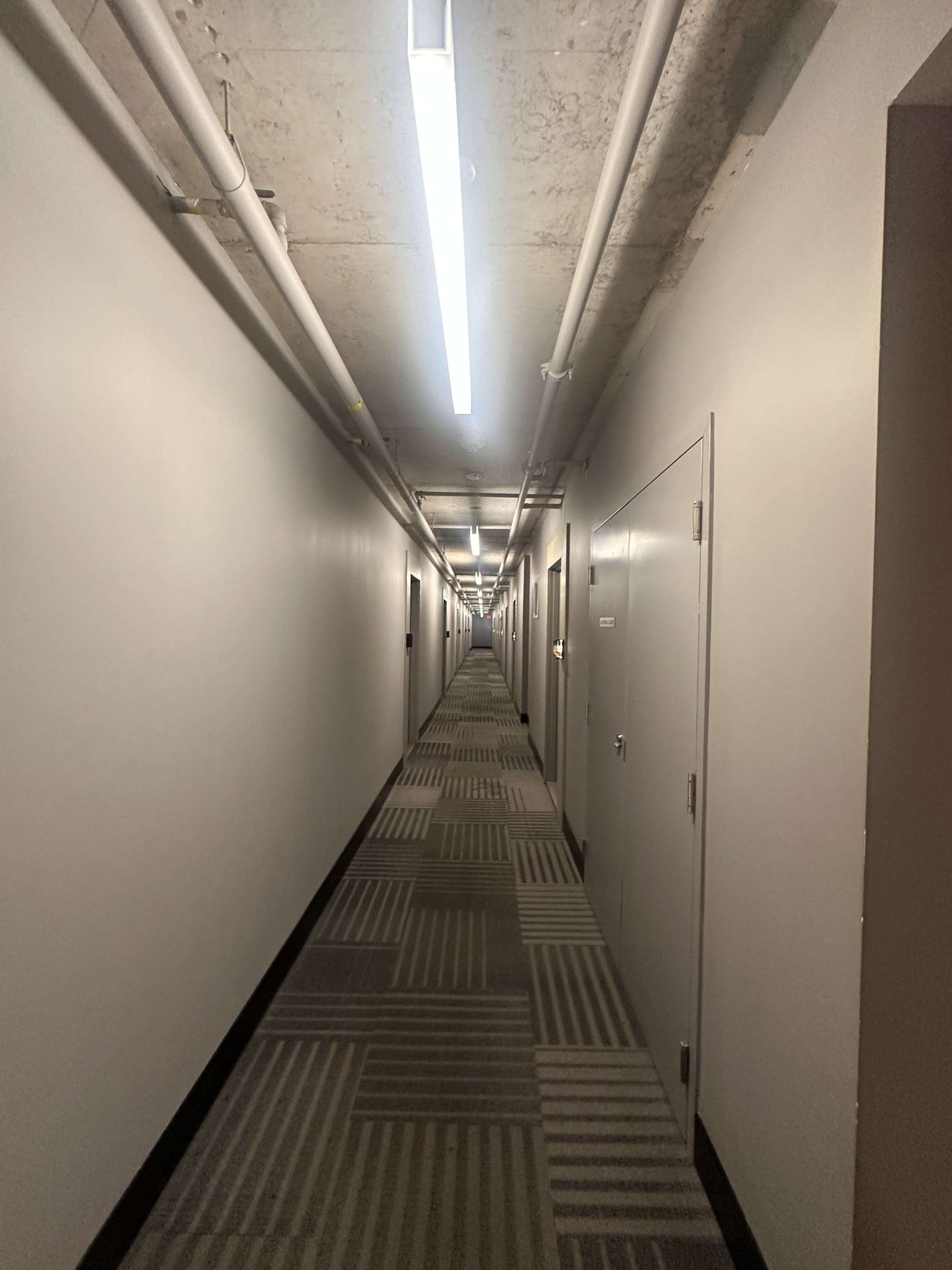
The most immediate sign of a building in decline is found underfoot.
Surface Degradation: A common indicator is the “once-blue carpet turning grey.” This isn’t merely a cleaning issue; it is a sign of fiber breakdown and a loss of chromatic integrity.
Aesthetic Fatigue: When carpets, wallcoverings, and lighting lose their vibrancy, the building’s brand erodes. This “tiredness” impacts resident morale and unit resale velocity.
The RFS is the technical “go time.” In Ontario, this document acts as the financial and physical map for the corporation.
Lifecycle Mapping: The RFS tracks the lifecycles of assets like carpets, wallcoverings, and commercial building design elements.
The “Hit Date”: Once those dates hit, it’s “Go Time.” The board has a fiduciary responsibility to act on these engineer-documented intervals to prevent asset devaluation.
For complex projects like a building common element refurbishment, many corporations are moving away from traditional “Design-Bid-Build” models in favor of Design and Build Construction. This model integrates the creative vision with the structural reality of the site under a single contract.
Budget Certainty: Design and Build allows for real-time cost feedback, preventing “design-creep” that exceeds reserve fund allocations.
Streamlined Permitting: A professional Design and build Firm manages the entire lifecycle, including the complexities of hvac design for building permit ontario requirements.
Single Point of Accountability: By hiring one Design Build Firm, boards eliminate the conflict between separate designers and contractors, ensuring a seamless common element renovation.
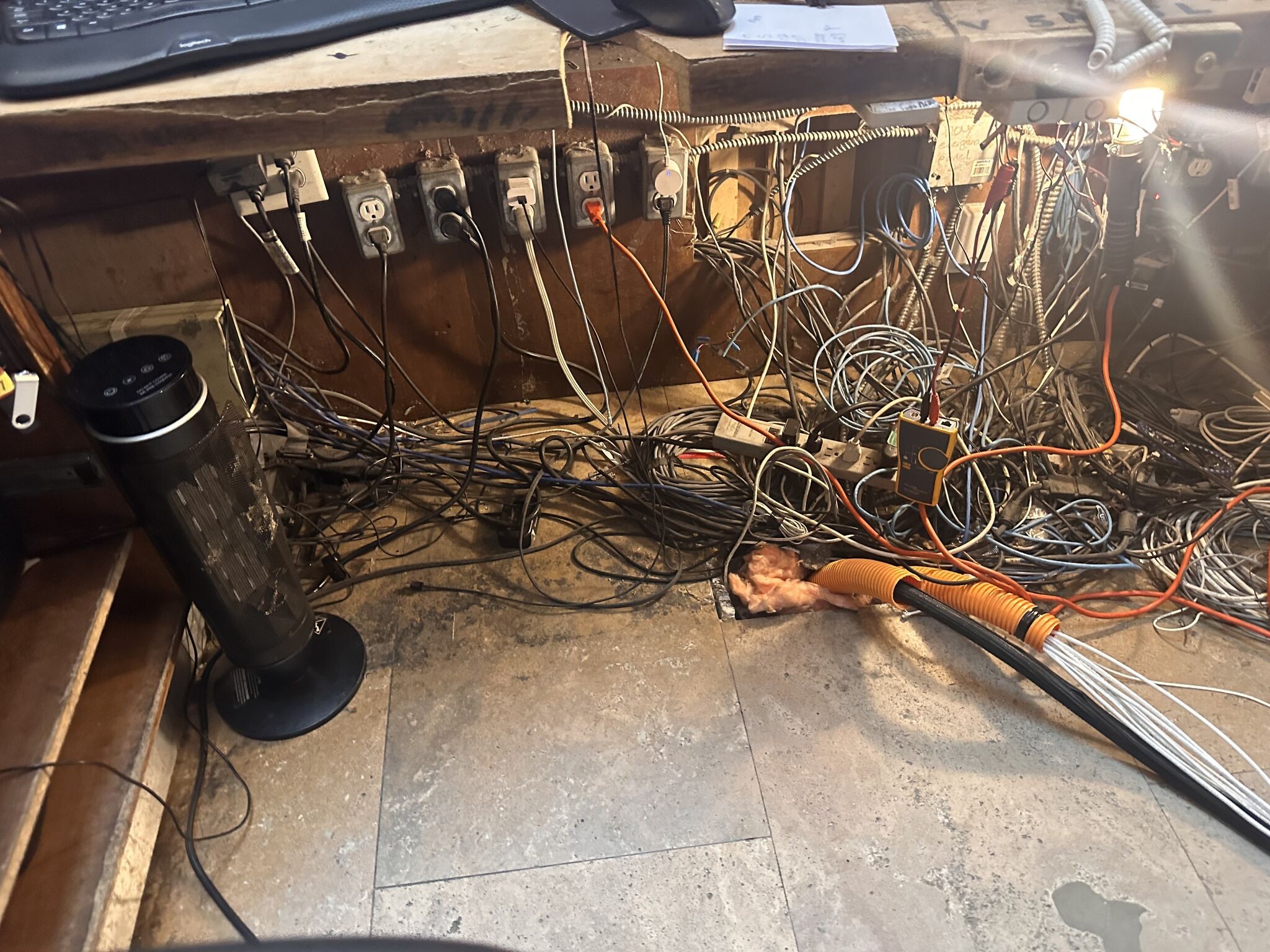
A condo common element Refurbishment is rarely just “lipstick and paint.” In a high-rise environment, the interior finishes are inextricably linked to the building’s mechanical heart.
Any significant change to a lobby or corridor layout—such as moving a concierge desk or altering partition walls—triggers the need for a building permit in Ontario.
Fresh Air & Pressurization: Modern hvac design for building permit ontario standards require that corridor air-makeup units provide specific CFM to ensure smoke control and resident comfort.
OBC SB-10 Compliance: Renovations must comply with energy efficiency standards, including high-efficiency LED lighting arrays and smart thermostats.
As an experienced Design and build Firm, we prepare boards for the “25% Rule.” Once 15-year-old wallcoverings are stripped, approximately 25% of the drywall substrate will require remediation. In a Design build Construction model, these contingencies are identified during the early investigative phase.

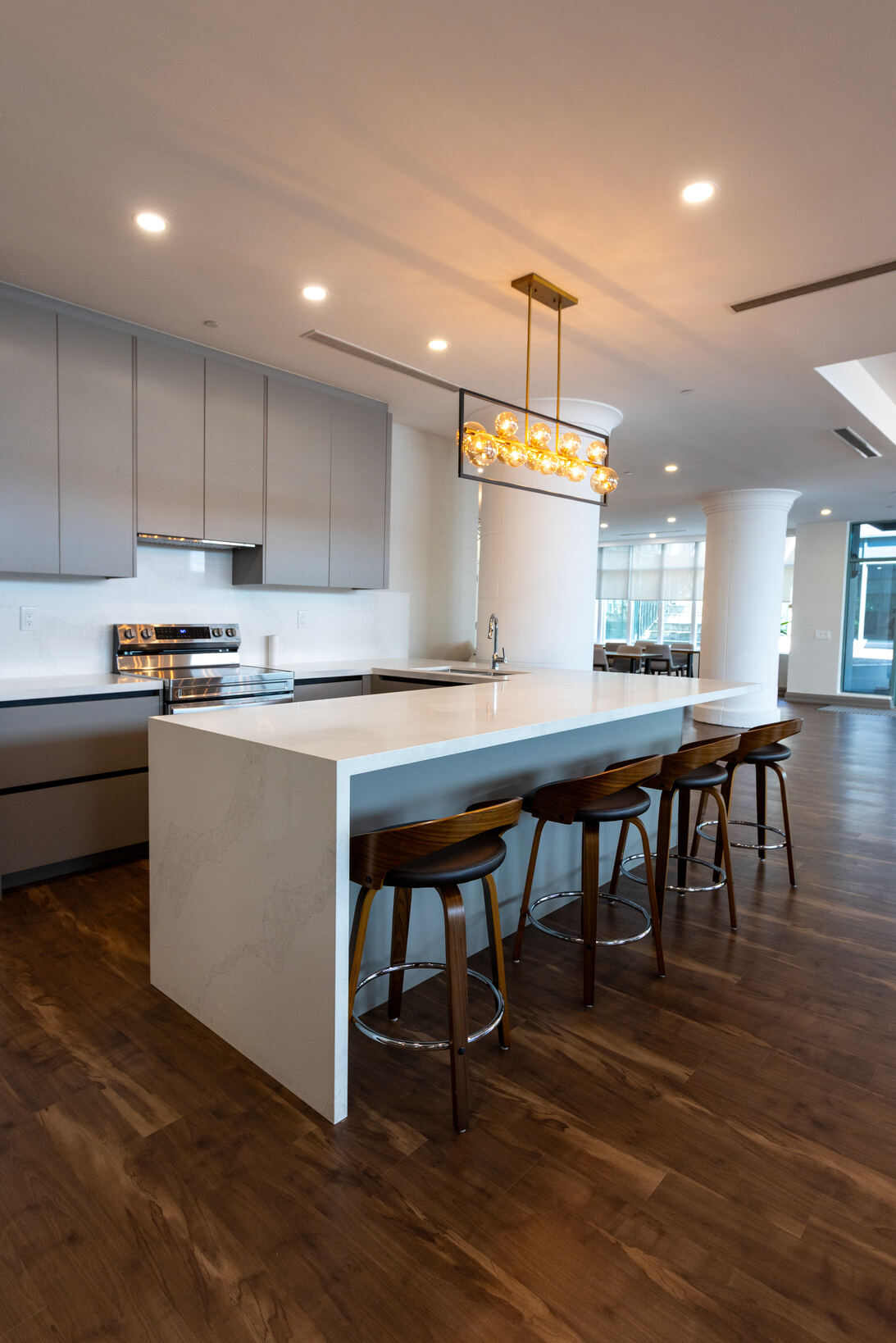
The focus of Design and Build Construction has shifted toward longevity and “Warm Minimalism.”
Sintered Stone vs. Quartz: For high-traffic areas, sintered stone offers superior scratch and heat resistance.
Biophilic Elements: Integrating natural wood textures and stone accents helps move away from “clinical” modernism toward “livable luxury.”
AODA Compliance: Ensuring all commercial building design elements meet the latest accessibility mandates, from tactile floor indicators to compliant counter heights.
When the reserve fund says “it’s time,” the success of the next 15 years depends on technical excellence. At Congruent Build, we are one of the leading Deisgn and Build Firms specializing in high-rise environments. From hvac design for building permit ontario to the final coat of paint, we provide the Design-build Construction expertise required to transform your building.